Why I Made a Ceramic Scoop?
On a white plastic scoop, fresh pasta in Bologna, and the most ordinary object I make.
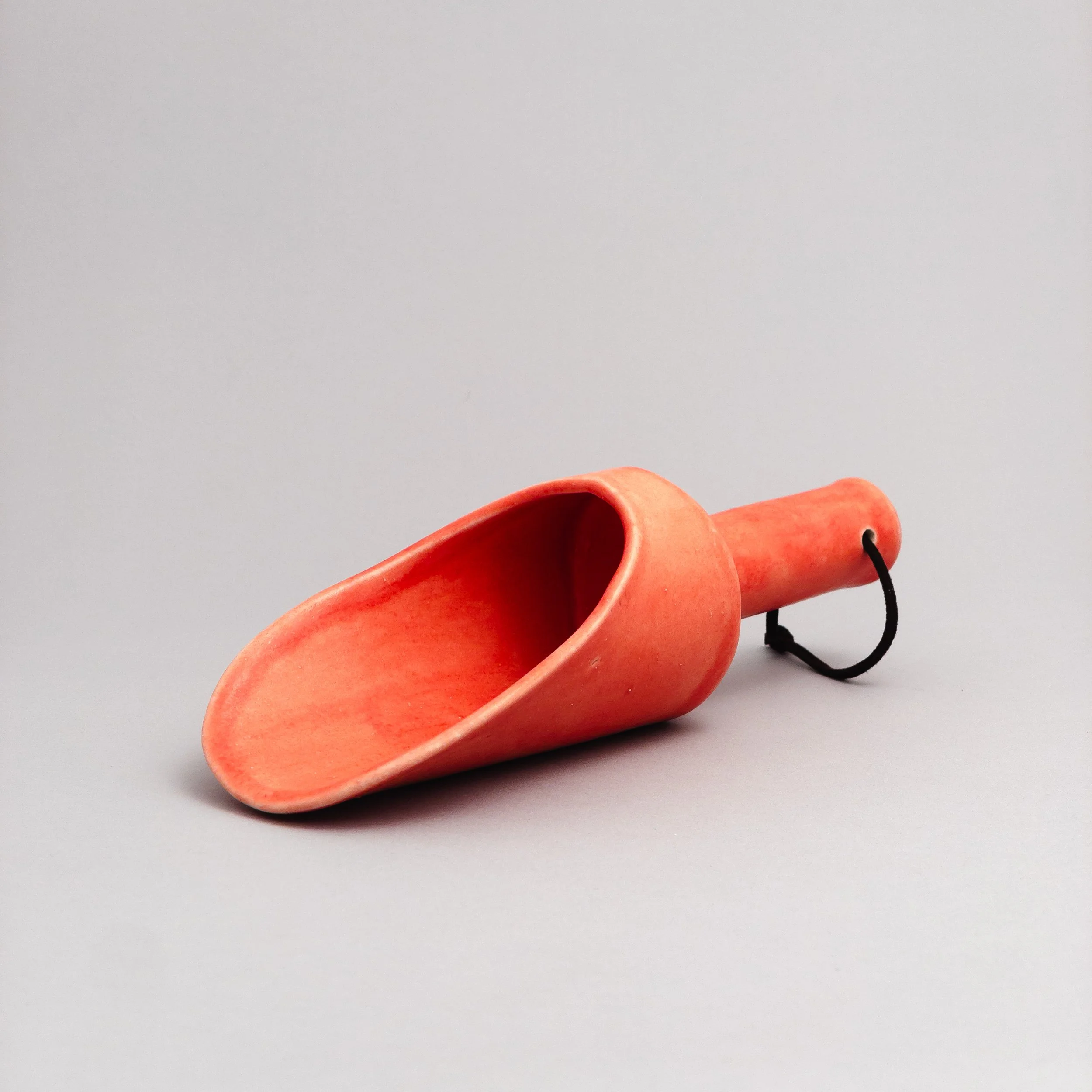
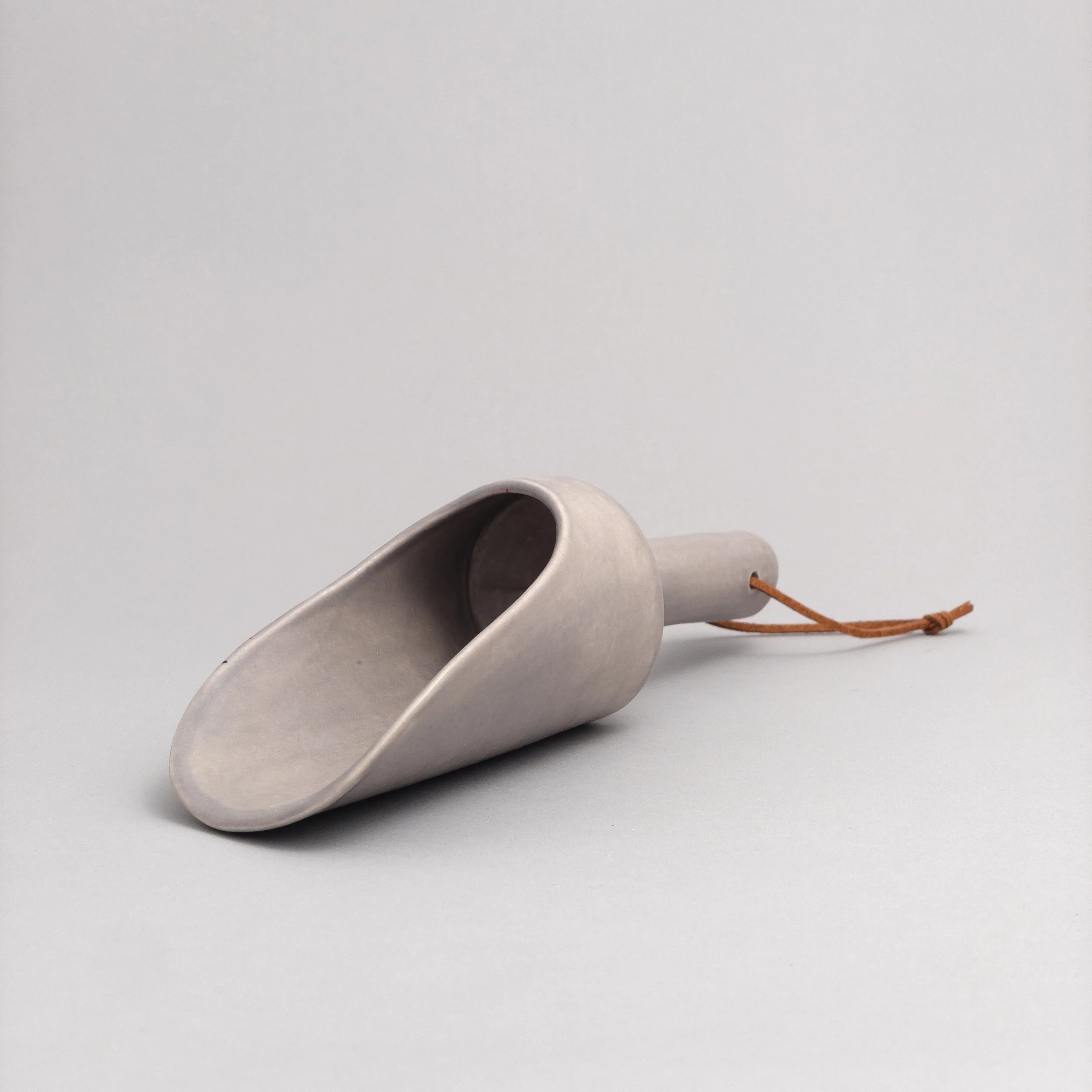
Some objects disappear into the lives they serve. A scoop is one of them. The one I grew up with was white plastic, and it lived inside a bin of flour in my grandmother's kitchen in Bologna.
The bin sat in the bottom cabinet. It was azure, and it held at least twenty kilos of flour. My grandmother used the scoop the way the hand knows a thing on its own. She would lift the flour onto the wooden board, mound by mound, until there was a small white hill, a faint cloud rising and settling each time. Then, with the edge of the scoop, she opened a well in the middle of the hill, and the eggs went in.
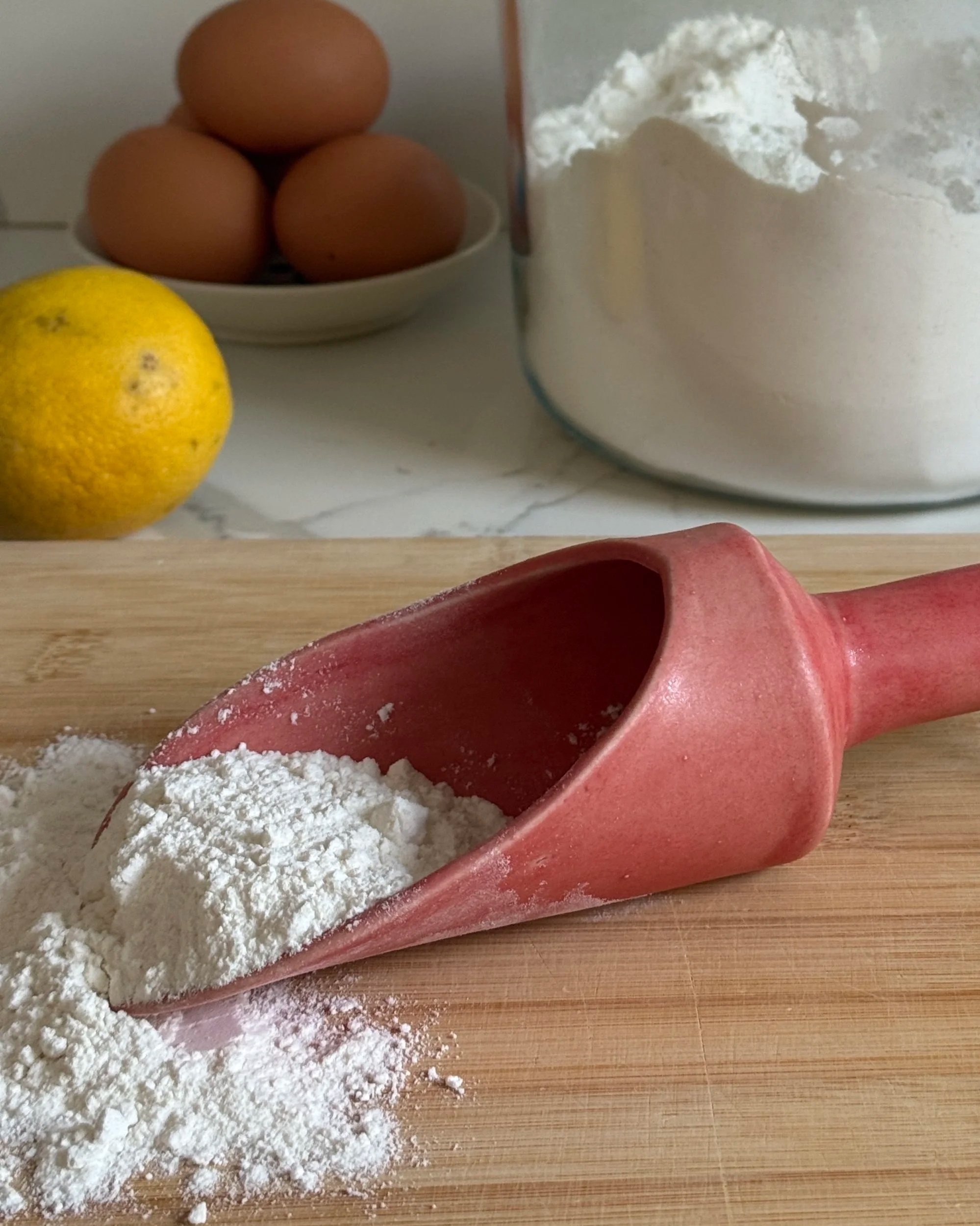
I was usually beside her, helping, or thinking I was helping. Food has shaped most of the turns in my life, from training as a chef to making porcelain to plate what I cooked. But before any of that, there was the board, the hill of flour, the well, and the white scoop that began it. Most often what she was making was sfoglia, fresh pasta rolled by hand, the thing every Emilian grandmother seems to know how to make. But also cake, pizza, piadina, rarely bread. The scoop did not care which. It only did the first thing, then went back into the bin, while everything else went on without it.
This is what interests me about it now. Everything else I make announces itself. A cupcake stand is a small stage; it knows it is a stage. A match striker waits for the ritual of the candle. The plates are named for circuses. My work is full of objects that dress a moment and are not shy about it, a little theater for the everyday, as I keep saying.
The scoop wears no costume at all. It has no occasion. It serves no celebration. It moves flour from one place to another, and then it waits. Of everything I make, it is the only object with no audience. And yet it was the beginning of the most ceremonial thing I know. My grandmother making sfoglia by hand, every week, for decades, is as close to sacred as a kitchen gets. But nobody in that kitchen called it ceremony. They called it lunch. The French writer Georges Perec spent years trying to notice exactly this, the texture underneath the events, what he called the infra-ordinary: the habits so constant they turn invisible, like your own language or your own street. My grandmother's kitchen was full of it, and nobody called it anything at all. That is the strange thing about the constant. It hides in plain sight precisely because it never stops. A cupcake stand serves the rare occasion, and you notice it. The scoop serves the constant one, and you stop seeing it entirely. But it turns out the constant one was a ceremony the whole time. We just couldn't see it, because we were inside it.
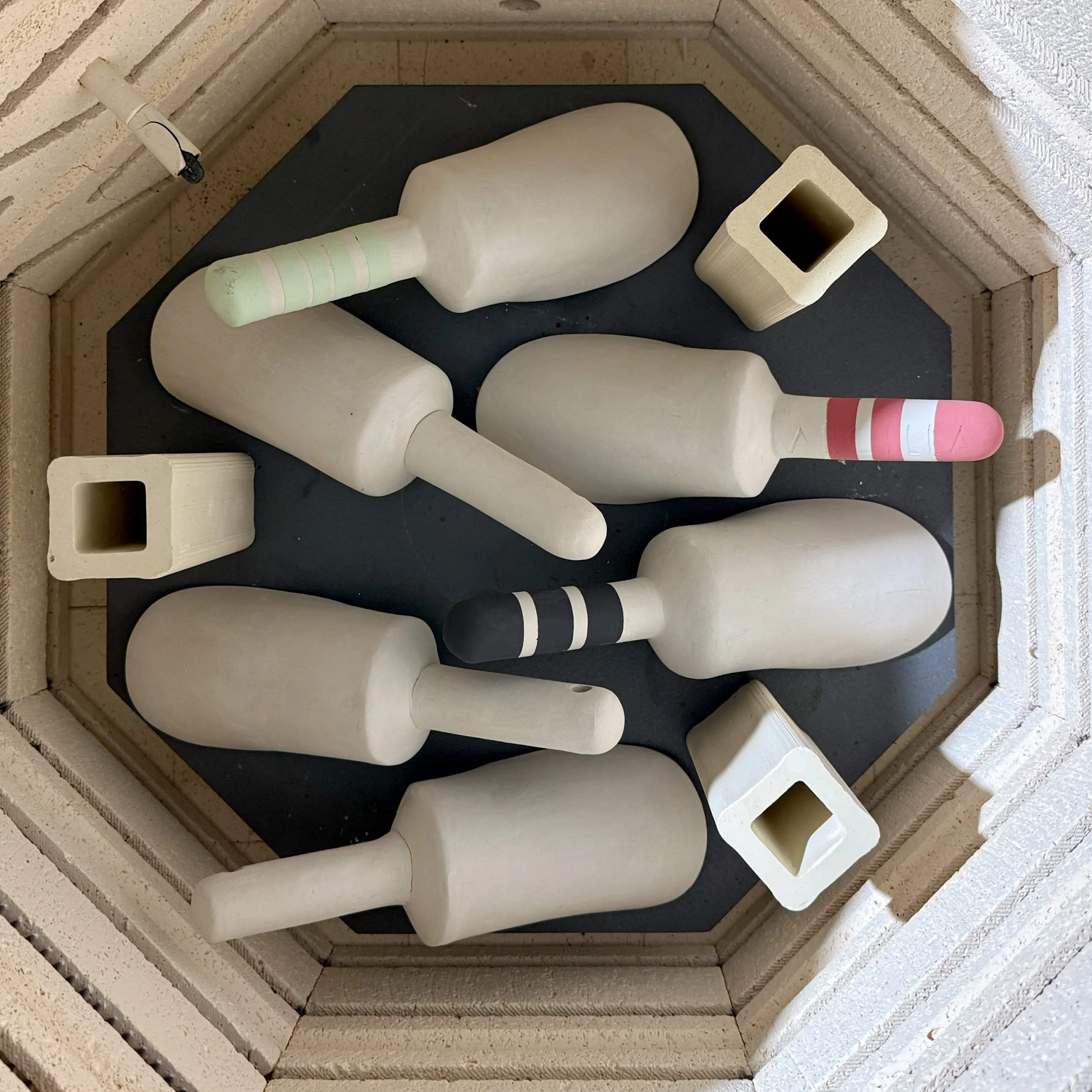
I did not set out to make my grandmother's scoop. I was building a small open form,
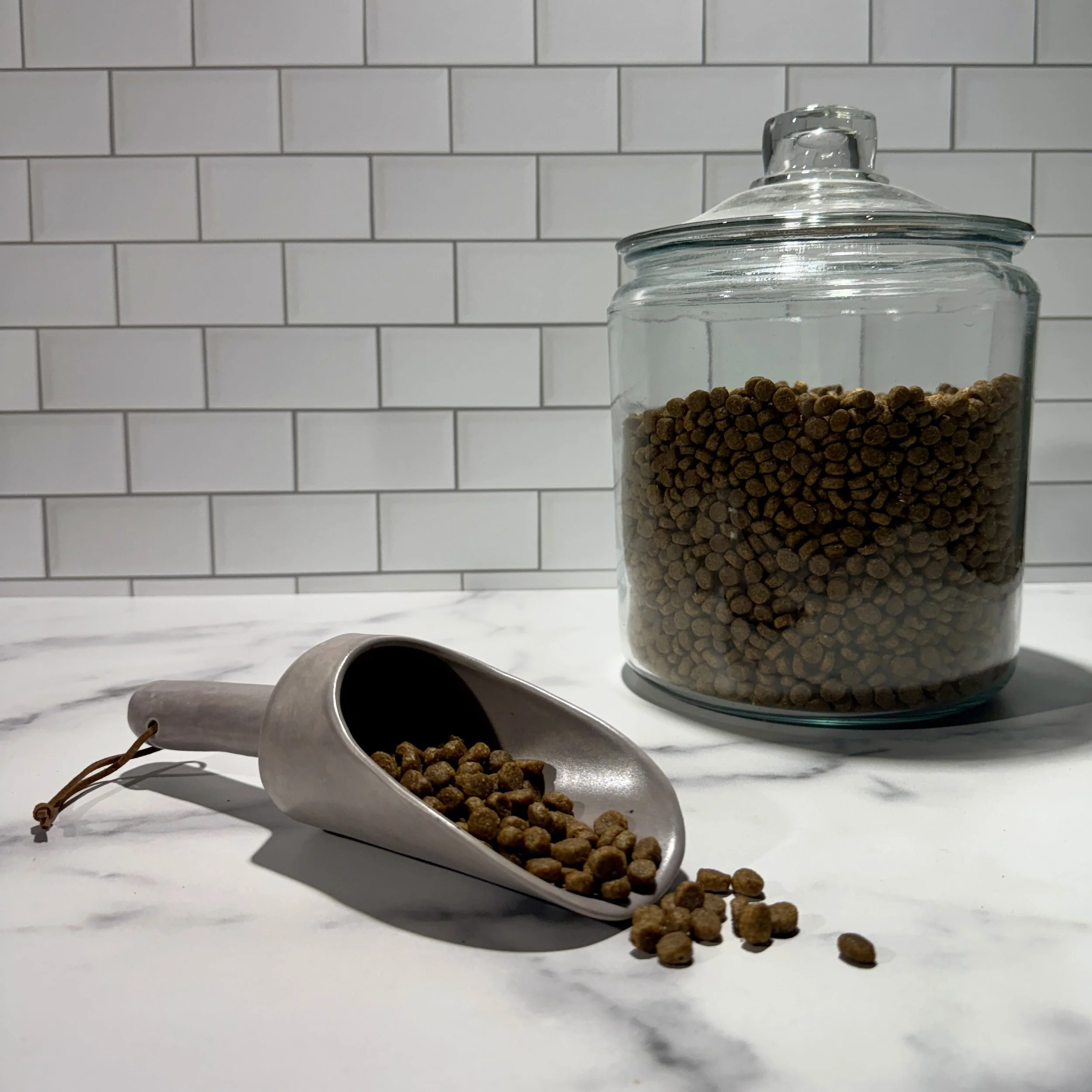
pinching and smoothing the porcelain, when the shape under my hands became familiar. The bowl, the handle, the way it would dip. It was the scoop from the azure bin, and I had not thought of it in years.
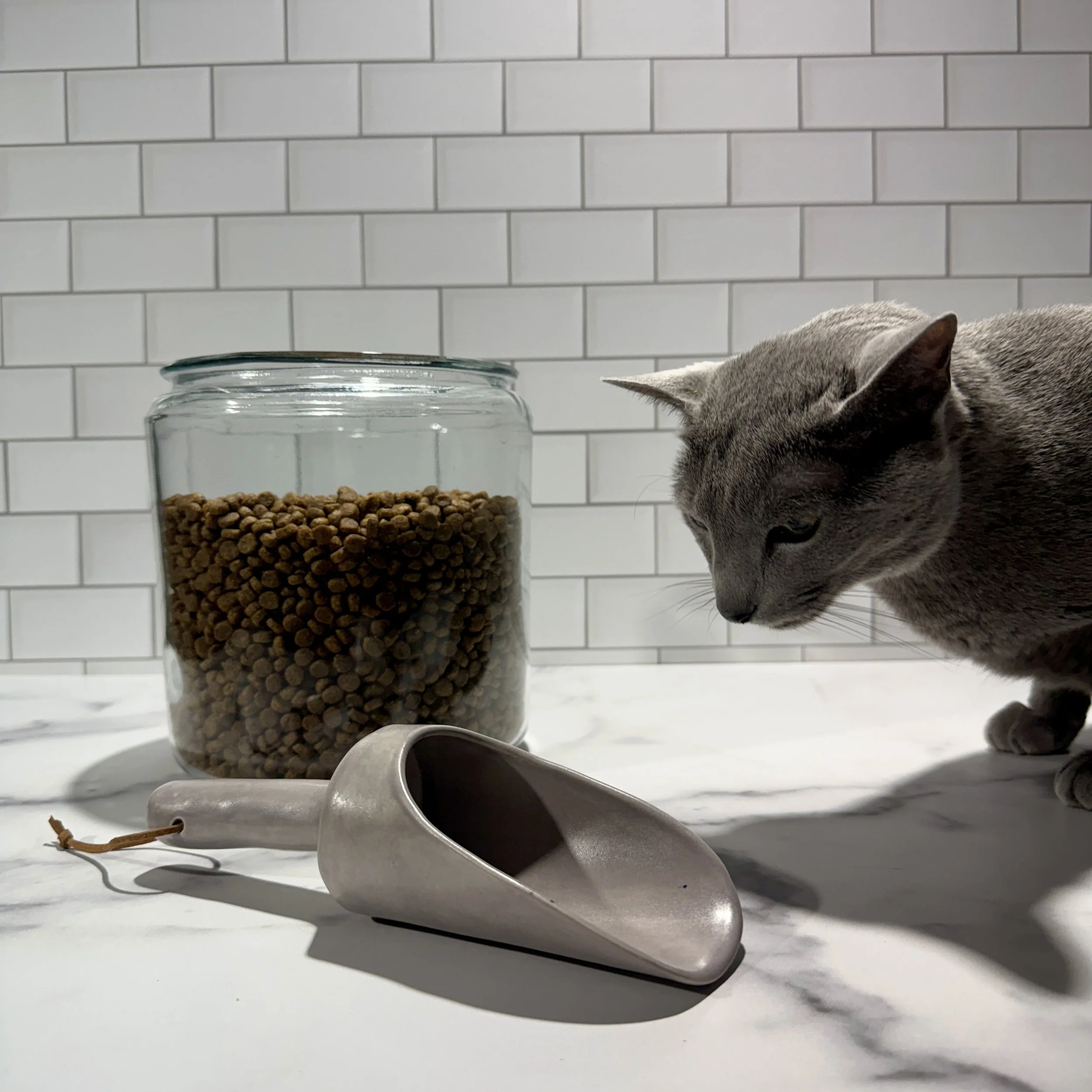
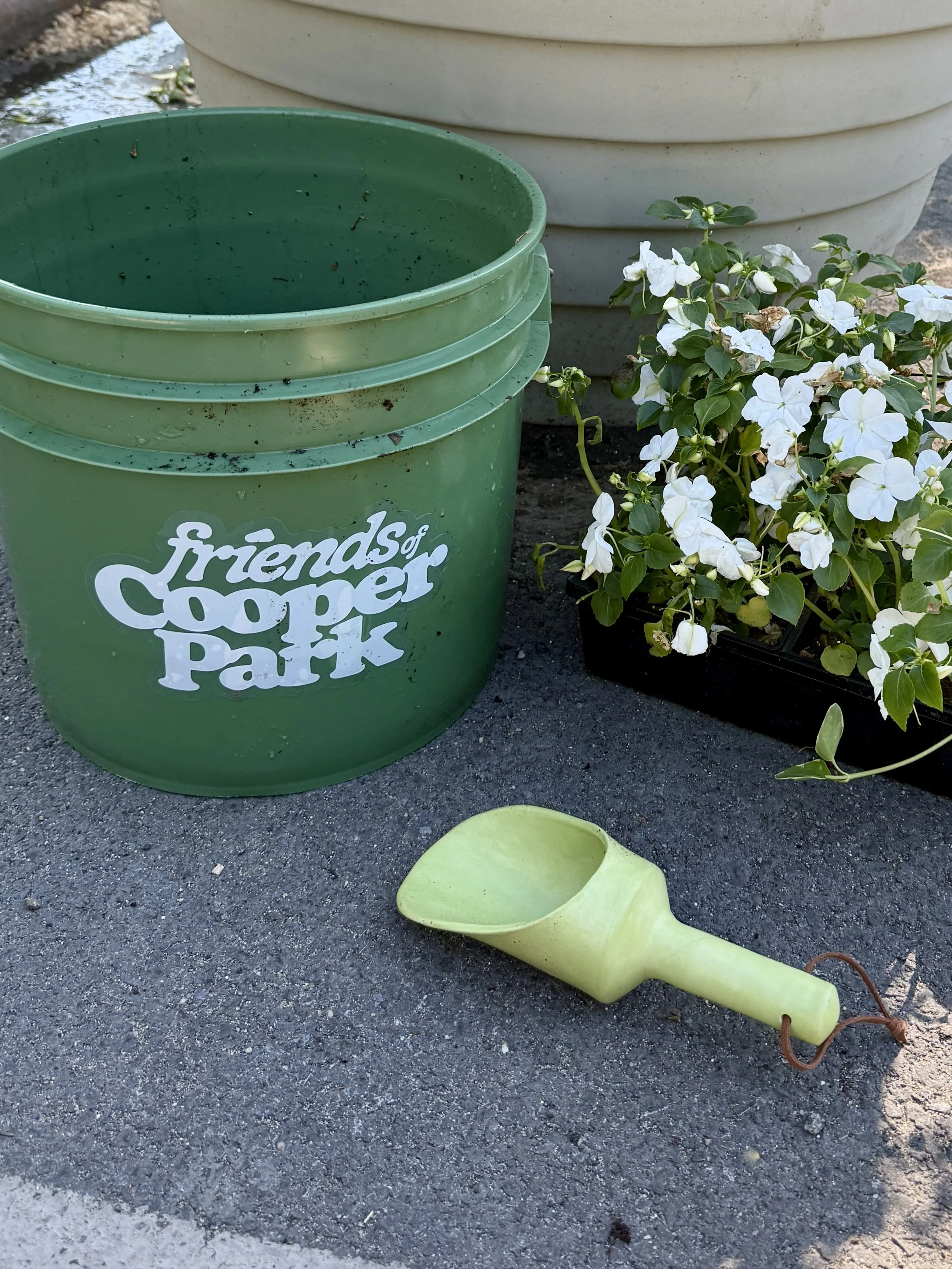
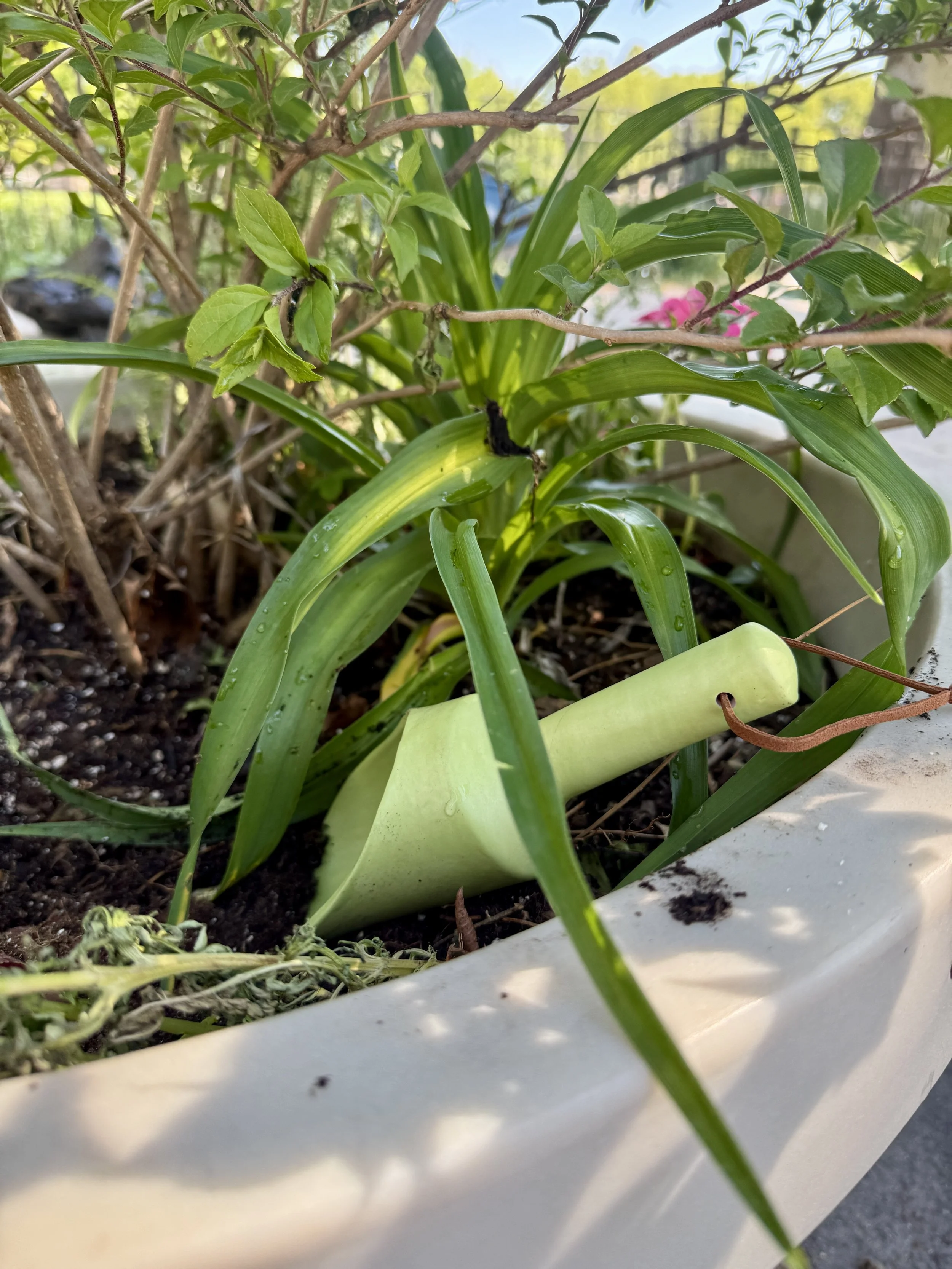
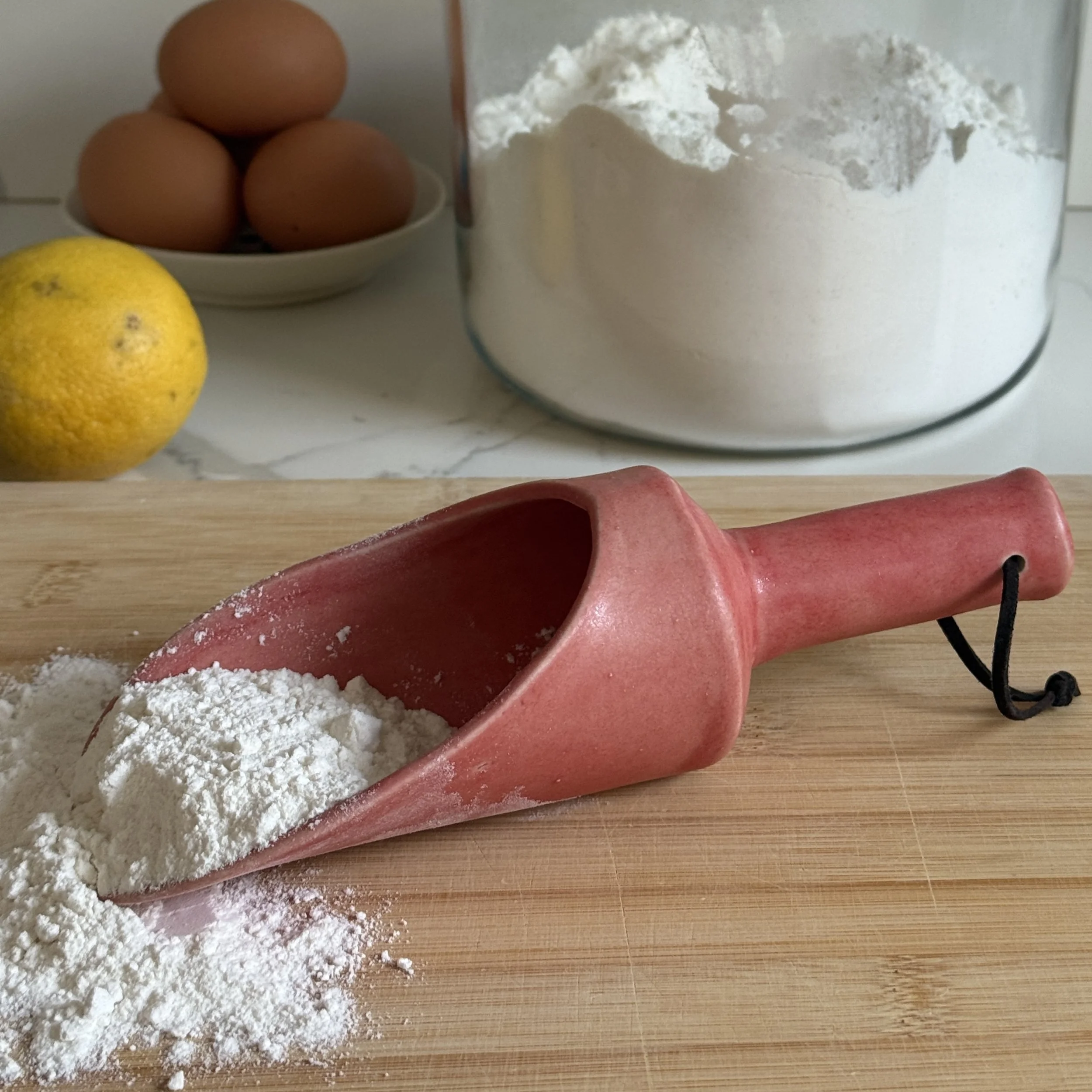
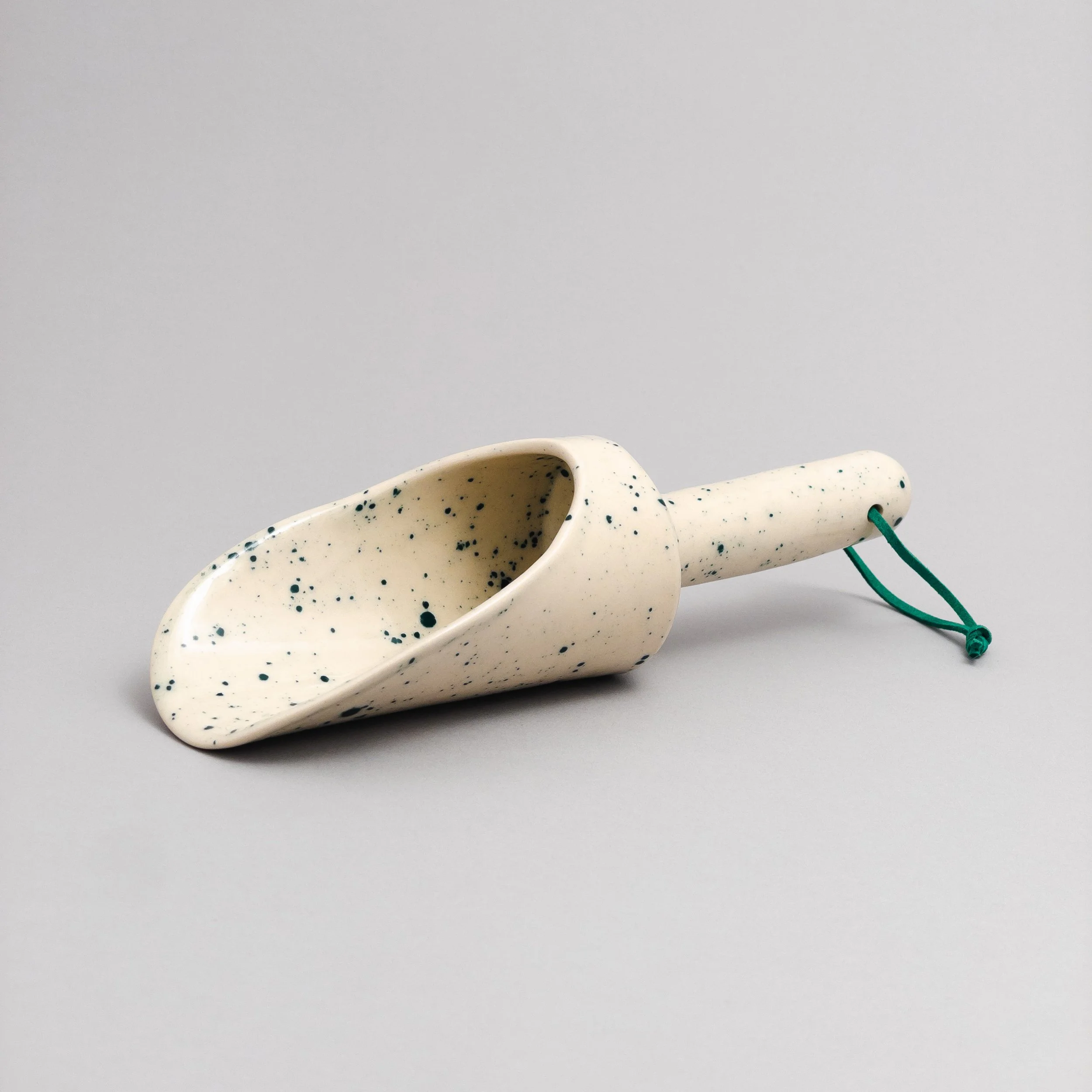
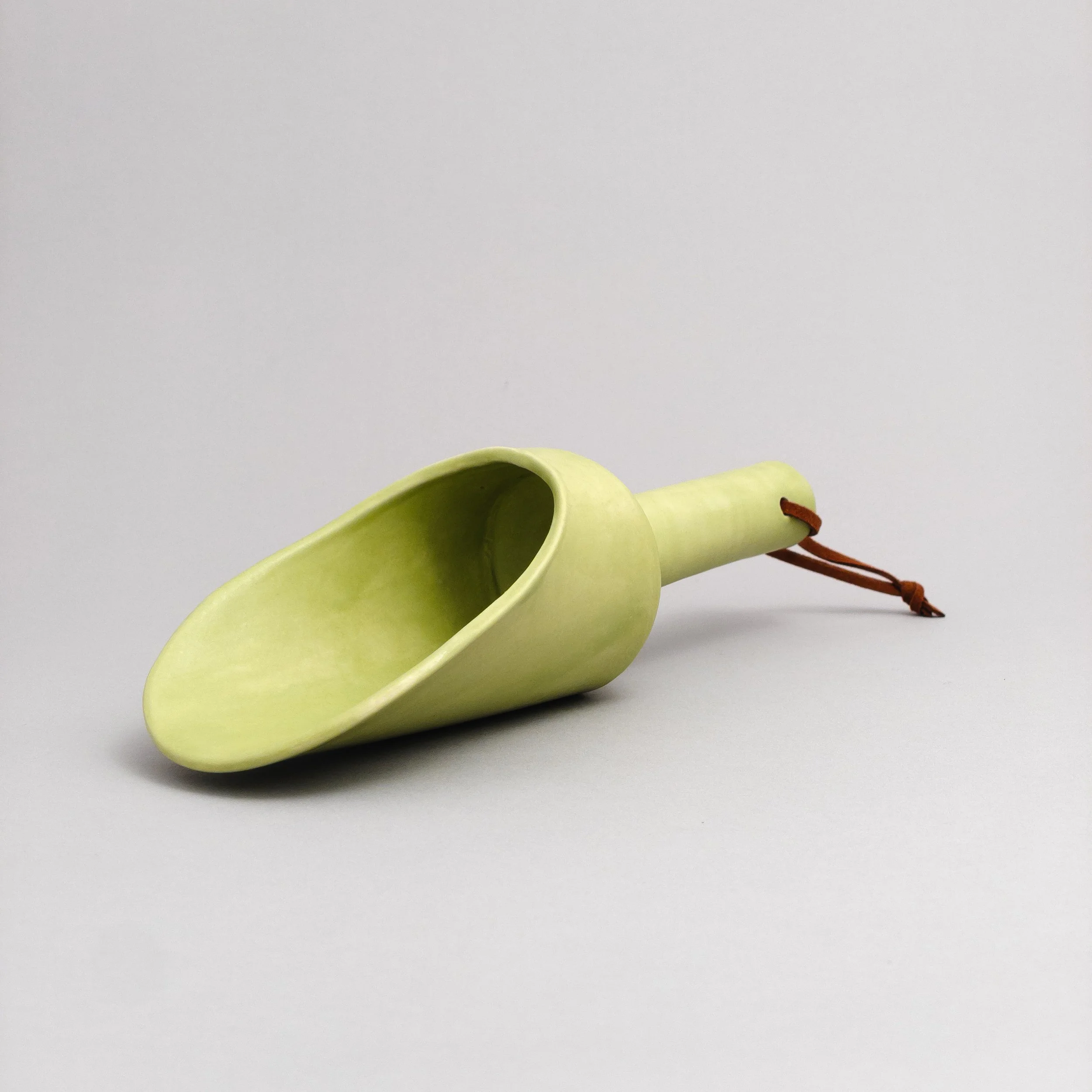
Hers was plastic; mine are porcelain, in colors hers never had. What I did not expect is that they would not stay loyal to the flour. The gesture is always the same, dip and lift and pour a measure of something from one place to another, but the something refuses to stay flour. One scoop lifts ice. One went out to the garden for soil. One keeps rice by the stove. The hand does what my grandmother's hand did, and the world keeps handing it new things to carry.
You will know what yours is for when it arrives. Mine, it turns out, was for remembering.
Perec, Georges. Species of Spaces and Other Pieces. Penguin, 1997. On the infra-ordinaire — the habitual and the unnoticed.