On Limoges Porcelain
On Limoges, a suitcase, and the clay that becomes a ring.

The porcelain I use for the rings comes from Limoges, in France. It cannot be shipped to the United States, so I bring it from Italy in my suitcase, a few kilos at a time, sometimes in the luggage of family or friends who are coming anyway. It is heavy and it takes up the room other things would take. I carry it anyway.
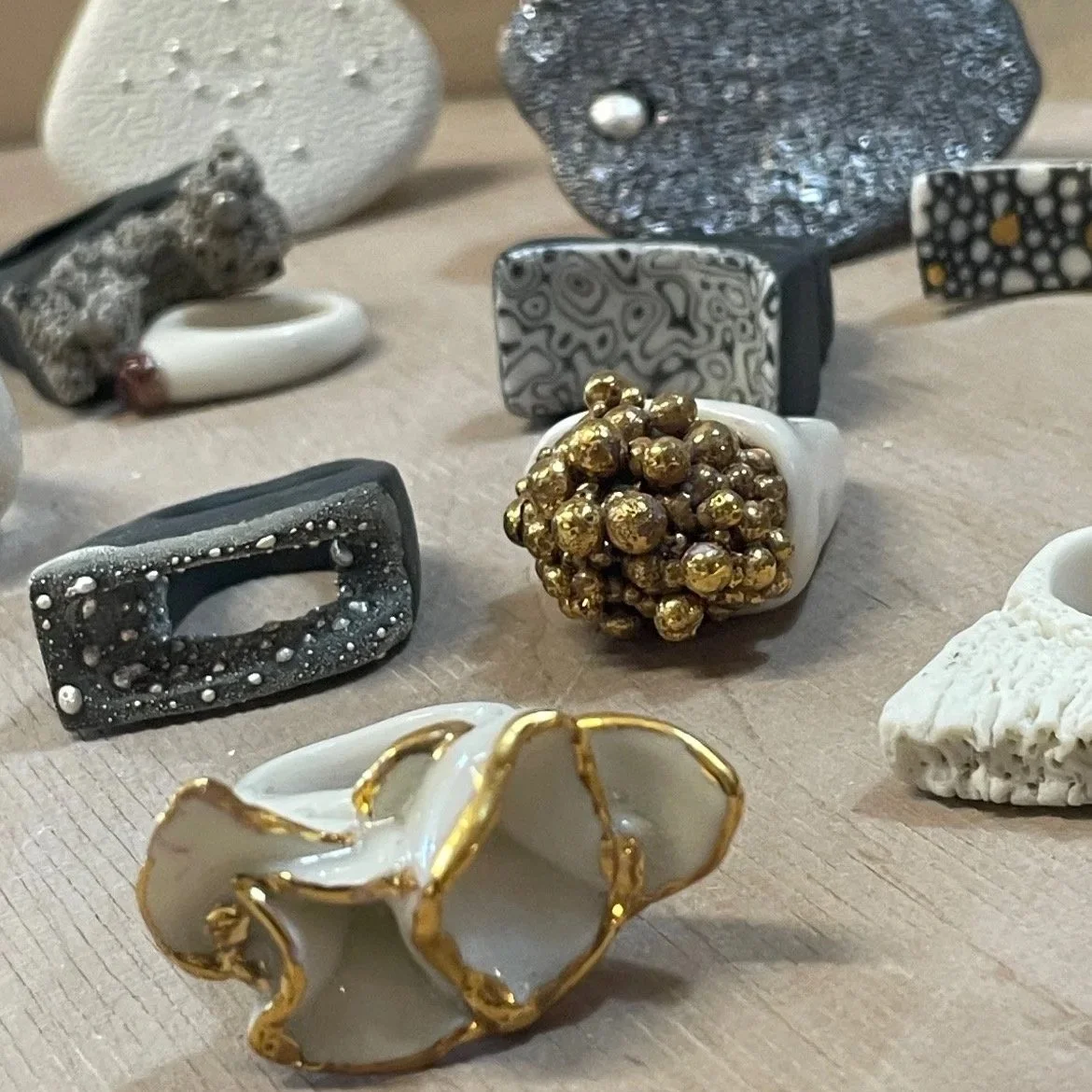
When Americans hear Limoges they think of the decorated tableware: the gilded espresso cups in a grandmother’s cabinet, the painted plates brought out for Sunday lunch and otherwise kept behind glass. That is one end of what Limoges porcelain is. What I carry in my bag is the other end: a dense white block, made for fine sculpting, before it has become anything at all.
Limoges has made porcelain since the 1760s, when kaolin was found in the ground near the town and the region learned to turn plain earth into something that holds light. The same material that became the gilded service sets also becomes, in a different studio and a different fire, something carved with a scalpel and worn on a finger.
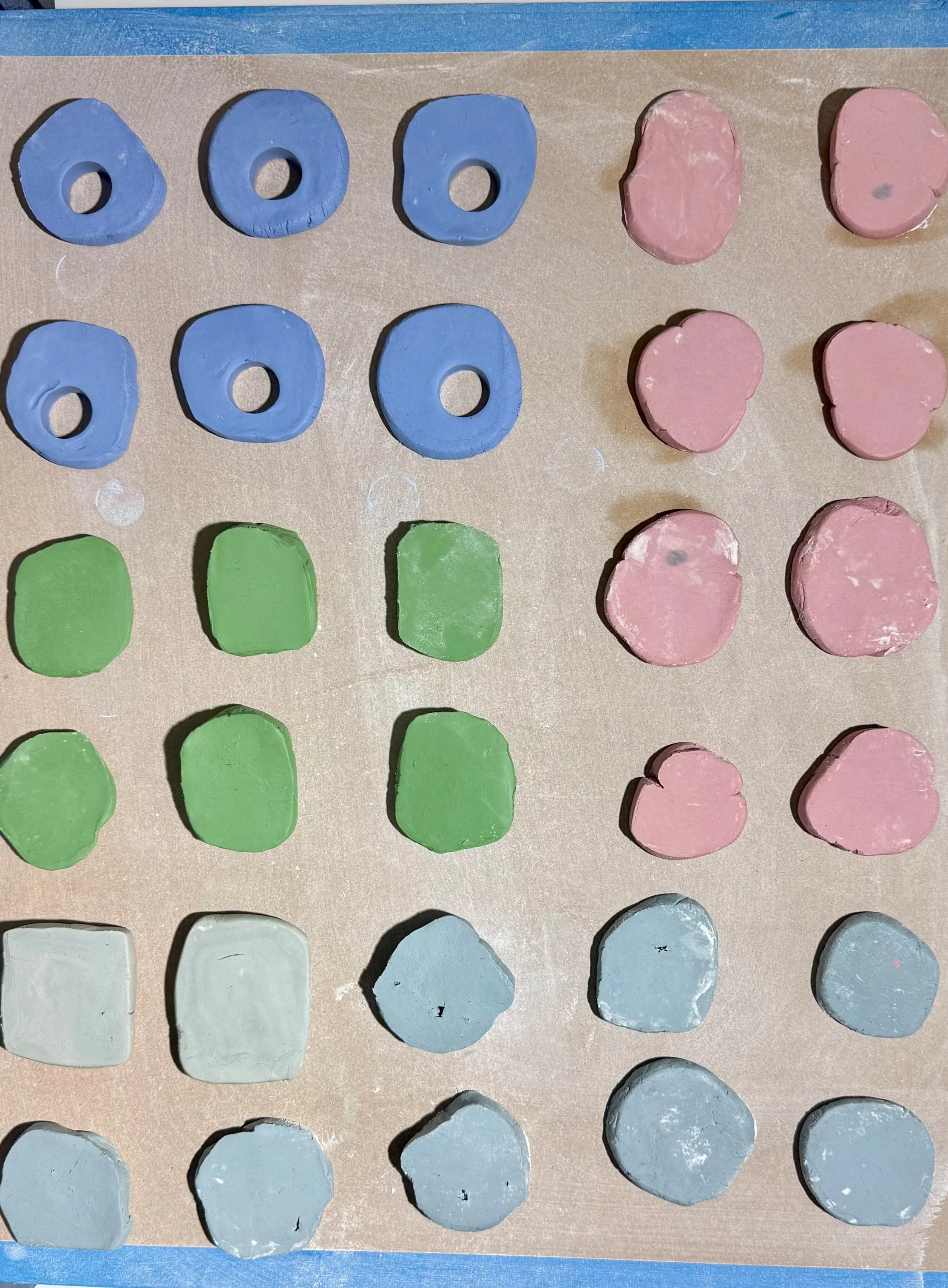
It takes the blade without crumbling, holds a carved edge through a high fire, and comes out a bright clean white. It accepts color evenly, all the way through, so a pigment is not a coat on the surface but part of the body. For the rings, which are small and carved and unforgiving of a blunt detail, no other clay I have found will do.
People have always carried a little of home in a bag: a spice, a seed, a saint, a handful of soil. The things that cannot be bought on the other side are the ones worth the weight.
I use this clay only for the rings. It is worth the weight in the bag.
In the rings thread: Echoes of corals, Brooklyn threads.